Optimize Your Convenience: The Ultimate Guide to Air Conditioning System Repair and Maintenance
Understanding the intricacies of a/c unit fixing and upkeep is vital for each homeowner aiming to ensure constant convenience in their living areas. This guide explores necessary upkeep tasks and typical issues that may emerge, highlighting the value of aggressive treatment. By familiarizing on your own with your system's elements and identifying when professional assistance is necessary, you can prolong the life of your cooling unit. As the periods adjustment, the strategies for taking full advantage of performance and comfort become particularly significant-- discover just how to approach this substantial facet of home management properly.
Understanding Your Air Conditioning Unit
To successfully tackle air conditioning unit repair and upkeep, it is necessary to comprehend the fundamental components and features of your a/c system - Air Conditioner Repair. An air conditioning system largely contains 4 essential elements: the evaporator, condenser, compressor, and development valve. Each plays a substantial duty in the refrigeration cycle that cools interior air
The evaporator absorbs warm from the indoor atmosphere, creating the refrigerant to vaporize and cool down the air. The compressor then pumps this low-pressure gas to the condenser, where it is transformed back right into a liquid state by launching the taken in warm to the outside. The expansion shutoff regulates the flow of cooling agent into the evaporator, ensuring ideal cooling performance.
Comprehending these parts aids identify prospective issues, such as cooling agent leakages or compressor failings, which can significantly impact your air conditioning unit's performance. Furthermore, understanding of the air flow and filtration systems is vital, as tidy filters and unhampered air ducts are necessary for effective procedure. By extensively recognizing just how your a/c system functions, you can make even more educated choices pertaining to repair and maintenance, eventually extending the life of your system and boosting interior comfort.
Crucial Maintenance Tasks
Routine upkeep is necessary for guaranteeing the optimal performance and longevity of your cooling system. By applying a regular upkeep schedule, homeowners can prevent prospective problems and enhance the efficiency of their units.
Among the most vital jobs is to regularly change or cleanse the air filters. Stopped up filters restrict air movement and can result in system strain. It is suggested to inspect filters regular monthly and replace or cleanse them every 1-3 months, relying on usage.
In addition, preserving the outdoor device is important. Verify that the area around the condenser is without debris such as fallen leaves, dust, and lawn cuttings. This promotes proper air movement and cooling down performance.
Checking and cleaning the evaporator and condenser coils is another vital job. Filthy coils can prevent warmth exchange, causing the system to function tougher. Regular cleaning of these components will certainly ensure ideal efficiency.
Acknowledging Usual Problems
Comprehending exactly how to identify typical concerns with your cooling system is vital for keeping its performance and avoiding costly repair services. Among one of the most constant problems is poor air conditioning. If your air conditioner system struggles to preserve the desired temperature level, it might be because of a filthy air filter, low cooling agent degrees, or malfunctioning parts.
One more typical concern is unusual noises. Appears such as grinding, rattling, or hissing can show mechanical failures or loosened components that need instant focus. In addition, if you discover a substantial rise in energy expenses without a matching adjustment in use, this can indicate inadequacy, usually linked to filthy coils or age-related wear.
Dripping water is also a common concern, which can indicate a clogged drain line or a refrigerant leakage. Ignoring water leakages may result in considerable damages, consisting of mold and mildew development or structural problems. Lastly, a relentless undesirable smell can recommend electrical troubles or mold and mildew within the system. By being vigilant and acknowledging these typical problems early, you can ensure your air conditioning system runs efficiently, prolonging its lifespan and boosting your convenience
DIY Repair Work Techniques
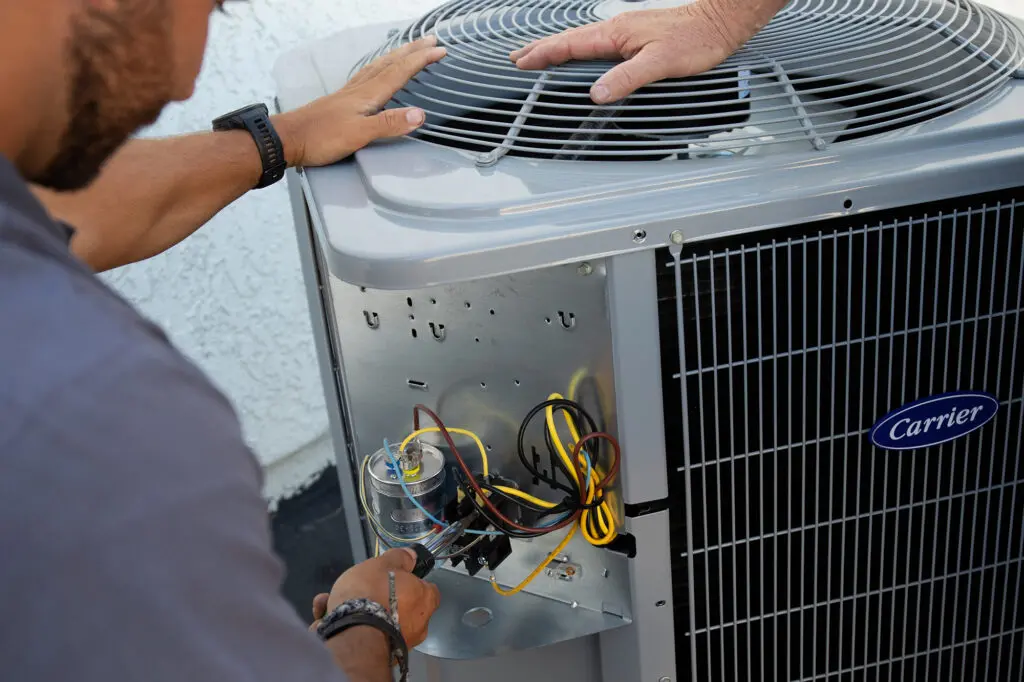
Comprehending usual air conditioning problems is vital for effective do it yourself fixings. Geared up with standard repair tools, property owners can resolve minor troubles and keep peak efficiency. This area will detail vital techniques to fix and resolve regular air conditioner malfunctions.
Common A/c Problems
Air conditioning system, necessary for keeping comfort in sweltering warmth, can experience a series of usual issues that might disrupt their effectiveness. One constant trouble is inadequate cooling, frequently created by a dirty air filter or obstructed ducts. On a regular basis inspecting and replacing the filter can greatly enhance air movement and cooling efficiency.
An additional typical issue is the a/c unit not switching on, which might result from a tripped circuit breaker or a damaged thermostat. Verify the thermostat is set appropriately, and reset the breaker if required.
In addition, unusual sounds such as rattling or grinding can show loosened parts or debris in the system. Examining the outside for obstructions and tightening any kind of loosened screws can typically resolve these sounds.
Refrigerant leaks are an additional severe problem, impacting both efficiency and security. If you discover ice basing on the coils or a decline in cooling power, it may signal a refrigerant issue that calls for specialist focus.
Water merging around the unit can show a clogged drain line. Normal maintenance of the drainpipe line can stop water damage and guarantee optimal efficiency. Attending to these usual a/c issues without delay can improve the durability and efficiency of your system.
Standard Fixing Equipments
Appropriate maintenance and prompt fixings can considerably expand the life of your a/c system. To efficiently handle basic fixings, it is vital to equip on your own with the right tools. A well-stocked toolkit can equip you to address typical issues and do routine upkeep tasks successfully.
A collection of screwdrivers, consisting of both Phillips and flathead types, is crucial for accessing numerous components. Pliers and wire cutters are additionally needed for adjusting cords and safeguarding connections. A multimeter is invaluable for diagnosing electrical problems, allowing you to gauge voltage, present, and resistance securely.
In addition, a hoover or shop vac can help remove dust and particles from filters and coils, guaranteeing peak air flow. A refrigerant gauge collection is essential for examining refrigerant degrees and identifying possible leaks. Do not fail to remember security goggles and handwear covers to protect on your own throughout fixings.
Finally, a level can be valuable for making sure correct installment of the system, while a flashlight aids visibility in dark locations. By utilizing these standard repair service devices, you can tackle minor problems with confidence and keep your a/c's effectiveness and longevity
When to Call a Specialist
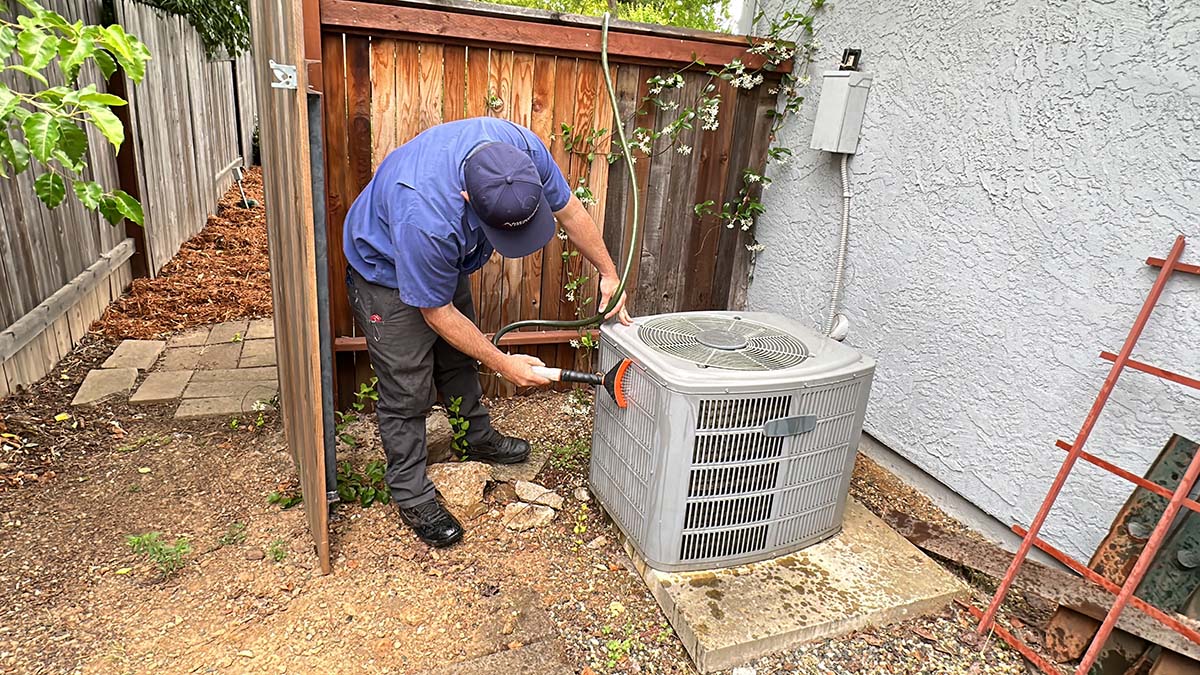
Acknowledging the signs that show the need for professional treatment is important for keeping the effectiveness and longevity of your cooling system. Among the main indicators is irregular air conditioning. If certain areas of your home stay cozy while others are comfortably cool, it may recommend refrigerant concerns or ductwork issues that call for skilled evaluation.
An additional essential indication is uncommon noises, such as grinding, screeching, or rattling. These noises might symbolize mechanical failing or loosened components that demand prompt interest. Furthermore, if you notice a rise in power bills without a matching modification in use, it may suggest that your unit is working more challenging than necessary due to underlying concerns.
Constant cycling on and off, referred to as short-cycling, can also be a signal that the system is battling and might call for a specialist's experience. Ultimately, the existence of water pooling around your device or extreme moisture can show a blockage or a refrigerant leakage, both of which must be dealt with by a qualified technician. Ignoring these caution indications can lead to even more considerable troubles and pricey repair work, making prompt specialist treatment essential.
Seasonal Preparation Tips
As the seasons modification, preparing your a/c system for the upcoming needs is critical to guarantee peak efficiency. Begin by setting up an expert examination to evaluate the general condition of your unit. Service technicians can identify potential problems prior to they rise, ensuring your system runs smoothly throughout the warmer months.
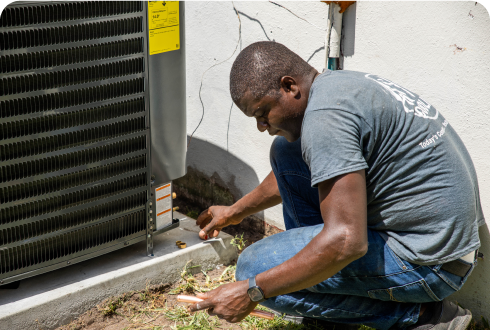
Evaluate find out here now the ductwork for any type of leaks or obstructions, as these can greatly influence the system's efficiency. Securing any gaps will enhance air movement and improve convenience degrees in your home. Additionally, confirm that the thermostat is operating appropriately, as this will certainly help preserve the wanted temperature level without exhausting the system.
Lastly, consider inspecting the refrigerant levels. Reduced cooling agent can suggest leaks and affect cooling down performance. By following these seasonal preparation pointers, you can boost your air conditioning system's integrity and performance, ensuring comfort when it is needed most.
Power Performance Practices
Carrying out energy effectiveness techniques in your air conditioning system can greatly minimize energy costs while boosting convenience degrees - AC Unit Replacement. One of one of the most reliable approaches is routine upkeep, which consists of cleaning or replacing filters, checking cooling agent degrees, and making certain that coils are clean. These actions allow your system to run at peak performance
Making use of a programmable thermostat can additionally enhance power usage by allowing you to establish temperature levels based upon your routine, lessening energy usage when you are away. Additionally, sealing any kind of air ducts and making sure appropriate insulation can prevent cooled down air from leaving, resulting in reduced energy usage.
Choosing an energy-efficient design when it's time for replacement is also necessary. Look for devices with the ENERGY STAR tag, which shows compliance with strict power performance guidelines.
Often Asked Inquiries
How Frequently Should I Change My Air Filter?
Air filters must usually be changed each to 3 months, depending upon usage and environmental variables. Routine replacement assurances optimal air top quality and system effectiveness, minimizing strain on the air conditioning unit and decreasing energy expenses.
What Size Ac Unit Do I Required for My Home?
Figuring out the proper air conditioning system dimension for your home entails calculating the square video, thinking about ceiling elevation, insulation top quality, and neighborhood environment. An expert assessment can assure optimal performance and convenience for your living area.
Can I Use My Ac System in Winter Season?
Using an air conditioning system in wintertime is generally not recommended, as it may bring about inadequacy and prospective damages. Instead, think about utilizing a heater designed for colder temperature levels to assure peak efficiency and convenience.
Exactly how Do I Improve Indoor Air Top Quality With My air conditioner?
To boost indoor air top quality using your ac unit, on a regular basis clean or change filters, warranty appropriate ventilation, use air cleansers, and keep perfect moisture degrees. These techniques sustain much healthier air blood circulation and reduce irritants and toxins.
What Is the Average Lifespan of an Ac System?
The average life-span of an air conditioning unit usually ranges from 10 to 15 years, depending upon variables such as use, upkeep, and model high quality. Routine maintenance can prolong operational efficiency and longevity considerably.
Comments on “AC Unit Replacement: Step-by-Step Guide”